When neurodivergence
(ADHD, Autism, HSP, & more)
meets IFS Therapy
(Internal Family Systems)
healing happens.
Does it seem like you experience the world differently than other people?

He feels everything. Masks like a pro, but it takes a toll.

She wonders when everyone else got the social rulebook… And why didn’t she?
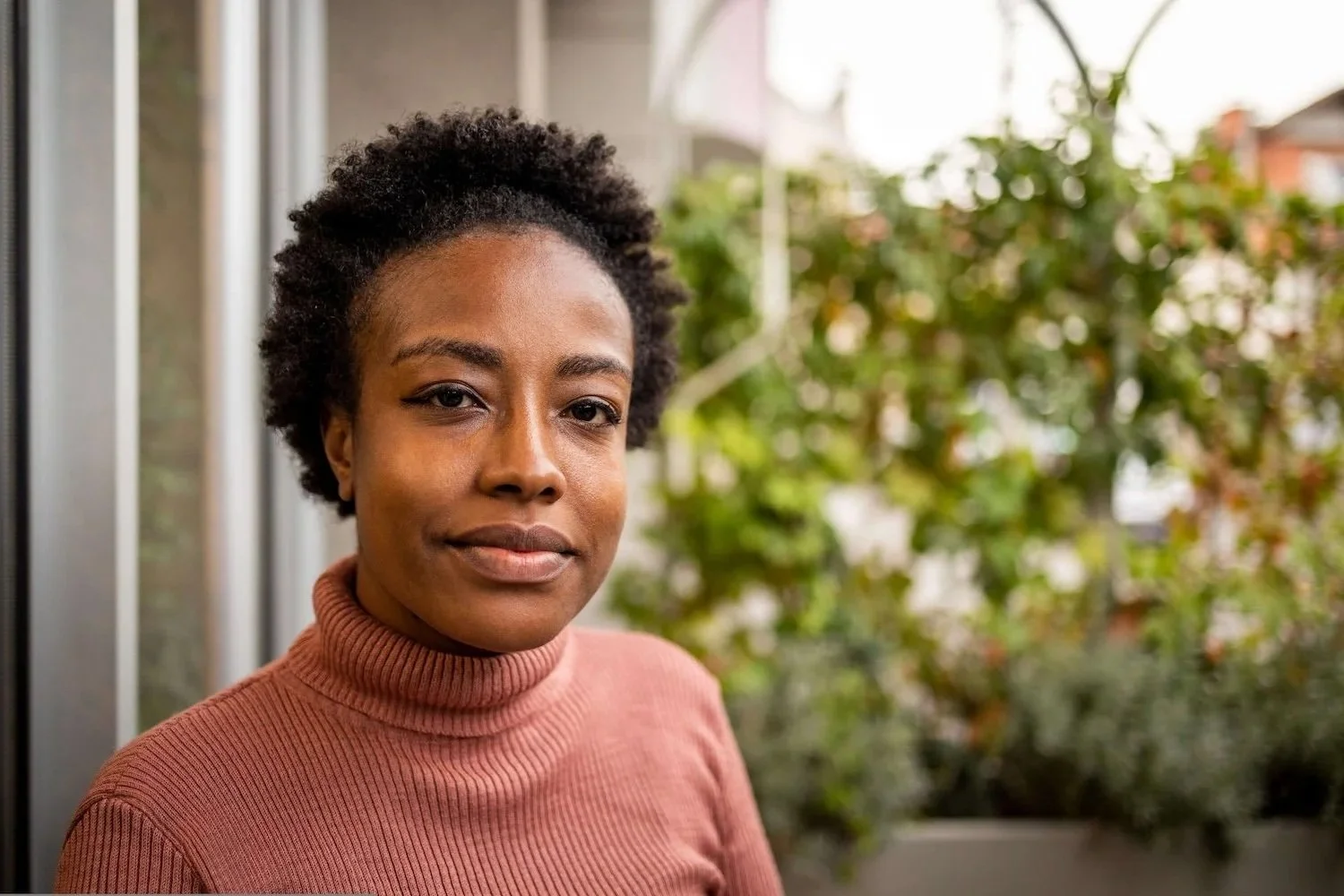
Getting her PhD was no problem. How can it be so hard to remember her kid’s teacher conference?!

Sometimes people get upset with him and he has no idea why…

Never really fit in anywhere. Mixed-race, super nerdy, not built for long days indoors.
Does it seem like you experience the world differently than other people?
I use Internal Family Systems (IFS) therapy to work with people who have neurodivergent systems (think ADHD, Autism, and other differences in perception and brain “wiring”). IFS helps us tap into the unique strengths of your neurodivergence to heal trauma and nurture your system.
Bringing it together

➕

▼

▼
Settling in to Self
Where do we start?
▼
▼
Find your path.
Blaze your trail.
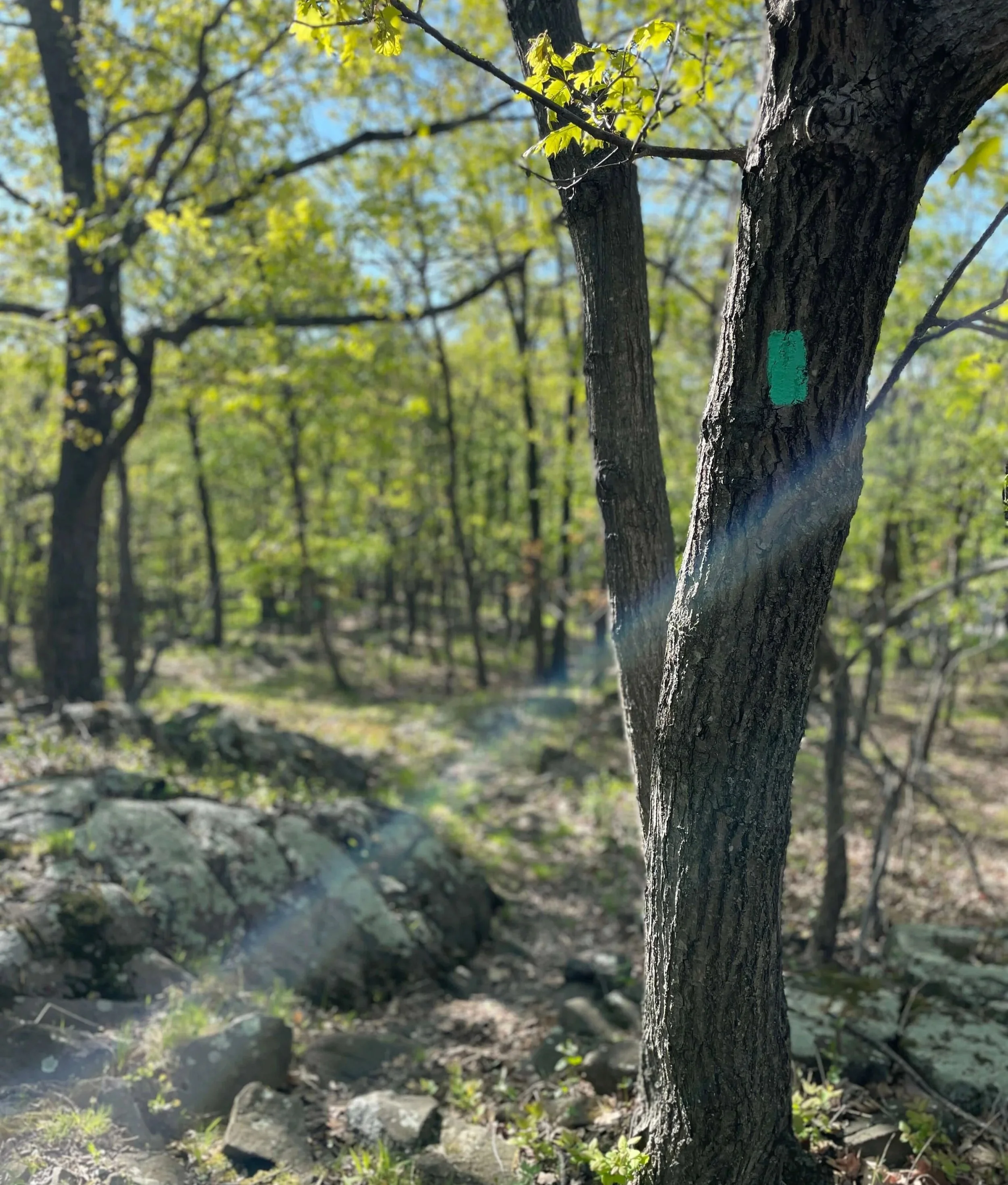
Let’s get to know the landscape of your system:
Develop a deep understanding of your own nervous system: its needs, vulnerabilities, where it shines
Cultivate respect, appreciation, and care for your system
Know how to talk about your brain and nervous system to others; learn how to advocate for yourself
Find your people if you haven’t already—the ones who see and love you as you are
Name what’s most important to you in your life (so you can nurture it) and what is not (so you can let it go).
How are we going to do all that? Well, we’ve got a map…
Where to next?
Neurodivergence
• What is neurodivergence?
(Is it just ADHD and Autism?)
• How does it feel from the inside?
• How does it look from the outside?
• How can I tell if I’m neurodivergent?
IFS Therapy
(Internal Family Systems)
Simple concept, profound effects
“A part of me wants to cook a really healthy dinner tonight, but a part of me is craving pizza.” It’s not a foreign concept for us to acknowledge that different parts of us feel different ways. Find out moreabout how getting to know our parts— really know them— allows us to develop a sense of internal trust, so that the tug-of-war becomes collaboration