Neurodiversity & Therapy
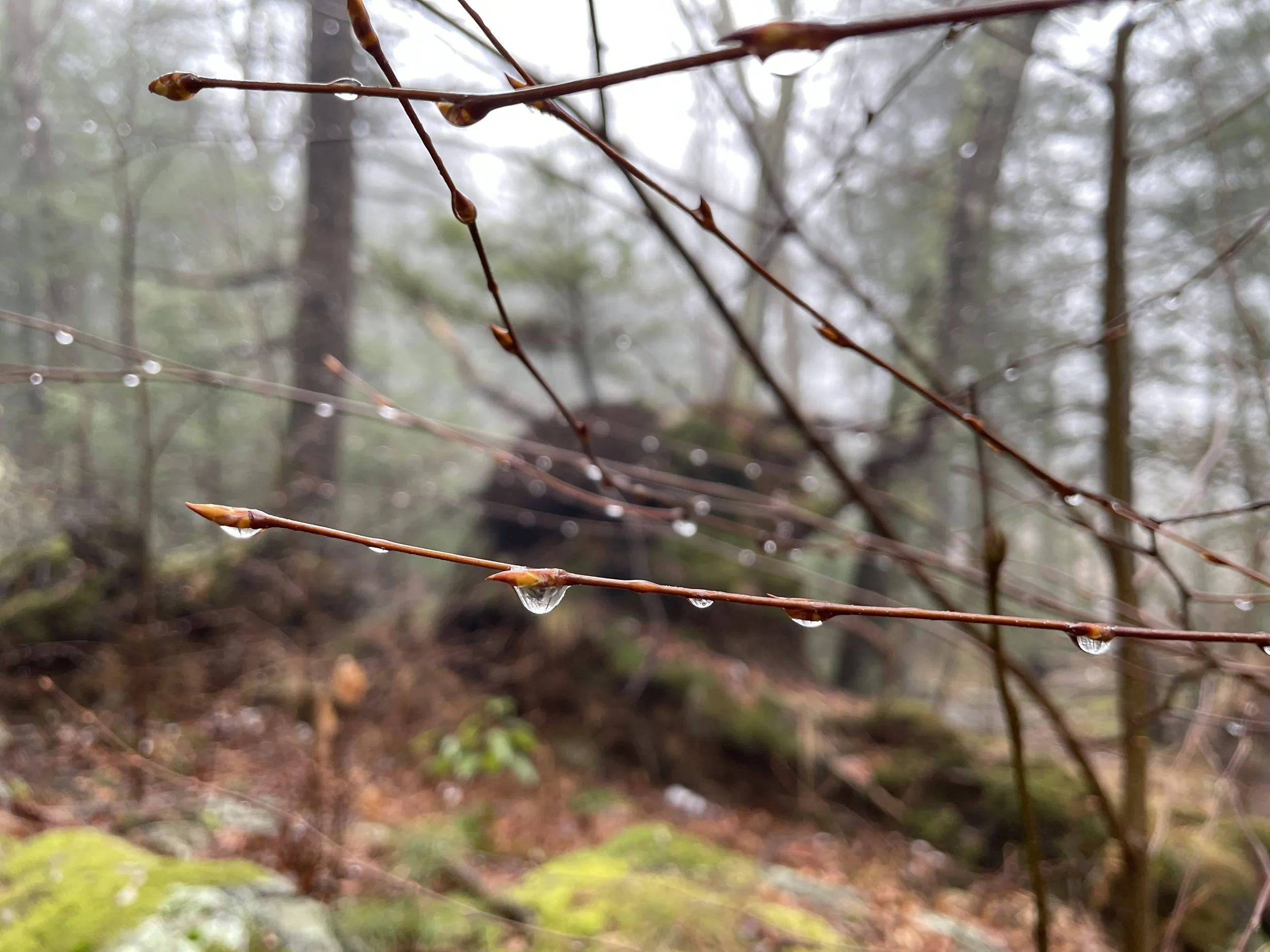
Welcome to the Woods
If you’re able to meet in person, we’ll sit outside (more or less). For people highly attuned to sensory input, nature tends to be a solace, a delight, a place to tune in to the world without being overwhelmed. So let’s tap in to that!
Let your system settle
You may not give much thought to your nervous system… or it may be front-and-center throughout your day.
Many people have systems that don’t fit the so-called norm. Their brains work differently. Sensory input may seem dialed up—or down. Social interactions can look and feel different. Sound familiar?
On one hand, you may:
Feel overstimulated by…
…the flicker of fluorescent lights,
… the whine of a blender,
…the scratchiness of a collar
…spending time in groups of people
Hold internalized beliefs that you’re
…incompetent
…socially defective
…melodramatic
…not trying hard enough
… too sensitive
… weird
Wonder: what did you say that made someone so angry or hurt?
Want to scream with frustration when
you did all the“hard” stuff with no problem, but
missed the last step, like hitting “Send”
...and on a tough day, you may feel like you’re from a different planet (not in a good way)
The flip side
But other times, when you’re able to care for your system and
give it the simple, wholesome things it craves —
a quiet space or a soft blanket?
solitude? time in nature?
a person who really gets it—
you can thrive.
When that happens, you get access to the good stuff.
Simple things can be pure joy
Creativity flows.
Sparkly ideas light up your mind like fireflies
You connect: with your passions,
experiences, people who get you
And things that felt overwhelming
can seem
like the natural flow
of life
Neurological differences inspire a lot of new words
Some of the words reframe outdated ideas about neurological differences. Others offer more accurate, less stigmatizing language around neurodivergence.
The words offered on this site reflect the ongoing conversation about preferred language. Different individuals and communities may prefer different terms. And while “neurodivergent,” seems like a fit for a lot of people with atypical neurotypes, preferences can change. It’s best to ask.
Neurodiversity vs. Neurodivergence
neurodiversity (n)
: the full range of individual differences in the way human brains and nervous systems function (includes all people)
neurodivergent (adj)
: having neurocognitive functioning that differs from dominant social norms
Neurodiversity: human nervous systems cover a lot of ground.
We all have different ways of experiencing sensory input; different ways of processing the input and making meaning of it; different thresholds and sources of pain and pleasure.
A majority of people seem similar enough to be called “neurotypical.” Some other known neurotypes are listed in the box. ▶︎▶︎
Neurotype examples
Autism
ADHD (Attention-Deficit/Hyperactivity Disorder)
HSP (Highly Sensitive Person)
Dyslexia (processing words)
Dysgraphia (fine motor skills)
Dyscalculia (numbers and math)
Dyspraxia (motor skills)
Sensory Processing difficulties
Tourette’s Syndrome
and others…
Notice that many have names that label them “disorders” (e.g. ADHD). Also, some of these don’t have corresponding mental health diagnoses (e.g. HSP). Whether these neurotypes are differences or disorders is an important question being posed by the neurodivergent community.
Friendly
reminder
You’re not broken.
Surely, Parts of you know that, right?
And hopefully you already feel your wholeness and see the ways in which you’re amazing.
Yet it can be easy to interpret the mismatch between our own systems and societal expectations as “something wrong” with us:
• the embarrassment of being late, again.
• the look passed between other people that suggests we’ve missed some social… thing.
• the idea that pounding music in a restaurant is supposed to be enjoyable.
None of that is “something wrong with you”.
Can your wiring be frustrating?
In the context of a society not built for you—absolutely. '
Does it make you feel different?
Sure.
And also, it can be remarkable
in ways you may or may not already know…
Where to next?
About
A bit about me, the focus of my practice, and why I’m calling out to folks who are neurodivergent, interested in IFS, and identify with intersectionality.
IFS Therapy
(Internal Family Systems)
Simple concept, profound effects
“A part of me wants to cook a really healthy dinner tonight, but a part of me is craving pizza.” It’s not a foreign concept for us to acknowledge that different parts of us feel different ways. Find out more about how getting to know our parts— really know them— allows us to develop a sense of internal trust, so that the tug-of-war becomes collaboration
Where we’ll meet
IN PERSON
Valley Cottage, NY
TELEHEALTH
NY & NJ